
The Heart of the World’s Leading Cooperative Ecosystem
In the rolling green hills of the Basque Country, in northern Spain, stands one of the most extraordinary social and economic experiments in modern history, the Mondragon Corporation. Founded in 1956 in the town of Arrasate-Mondragón by the visionary priest José María Arizmendiarrieta and a small group of young workers, Mondragon grew from a modest workshop into the world’s largest federation of worker cooperatives. It is not only a model of shared ownership but also a living philosophy of how people can work together to shape a fairer and more human economy.
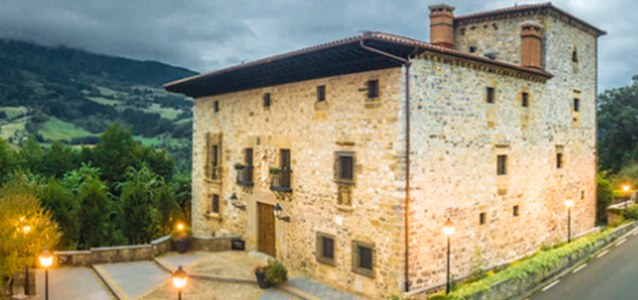
At the centre of this remarkable network is Otalora, Mondragon’s management and cooperative development centre. Once a 14th-century Basque manor house, Otalora today serves as a place of reflection, education, and renewal a space where cooperative leaders, students, and visitors from around the world come to learn how democracy, solidarity, and entrepreneurship can coexist within business.
A Vision Rooted in Community
The story of Mondragon began in the difficult years following the Spanish Civil War, when poverty and unemployment ravaged the Basque region. Father Arizmendiarrieta believed that education and cooperation could offer a path forward. He inspired local youth to train as engineers, establish their own enterprises, and share ownership and management responsibilities equally. Their first cooperative, Talleres Ulgor, laid the foundations of what would become the Mondragon ecosystem a federation that now includes more than eighty autonomous cooperatives, employing tens of thousands of worker-owners across industries as diverse as manufacturing, finance, agriculture, retail, and education.
In every Mondragon enterprise, workers are not employees but co-owners. They elect their management boards, share in profits, and take part in decision-making. Wage ratios are deliberately modest, and profits are reinvested into the cooperative community. Over time, Mondragon has built its own university, research centres, and banks, ensuring that innovation remains guided by human and cooperative values.
Otalora: The Living School of Cooperation
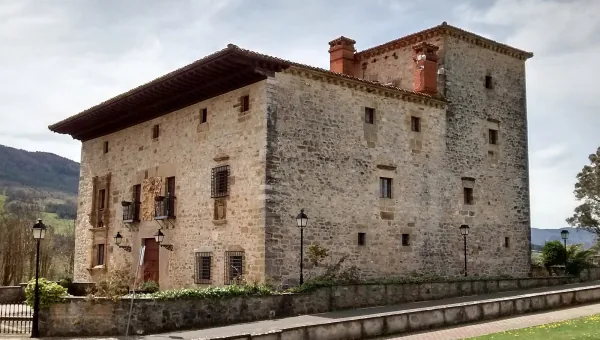 Otalora serves as Mondragon’s beating heart a place where cooperative identity is cultivated and passed on. It hosts study visits, leadership programmes, and seminars for cooperative managers, educators, and international visitors. In its halls, participants encounter not only economic principles but the lived philosophy of solidarity: the idea that wealth and responsibility should be shared.
Visitors who walk through Otalora find a blend of history and innovation ancient stone walls surrounding classrooms equipped with modern tools for learning and dialogue. The centre reflects the essence of Mondragon itself: a union of tradition and progress, rooted in people and community.
A Legacy of Hope and Humanism
Mondragon stands as a powerful example of what can be achieved when labour, knowledge, and capital work together rather than in opposition. It shows that businesses can grow and compete globally without abandoning human dignity or collective purpose.
As a site for cooperative cultural heritage, Mondragon and Otalora embody the belief that economic success and social justice need not be opposites. They prove that cooperation grounded in trust, education, and shared values can endure across generations, shaping not only industries but also the moral imagination of a people.
Featured Criteria
Criterion 2. Connection to Cooperative Pioneers or Communities
Sites must demonstrate a tangible link to cooperative pioneers, enterprises, federations, or communities that shaped cooperative practice and identity.
Criterion 4. Active Cooperative Connection
Sites must either remain in operation as cooperatives or be explicitly dedicated to preserving and interpreting cooperative history.
Criterion 7. Research and Knowledge Sharing
Sites shall contribute to cooperative research and knowledge dissemination, in collaboration with universities, archives, and digital platforms.
Learn More